Hlanhla as a Mechanical Engineer
I first discovered Mechanical Engineering as a 16-year-old after reading a booklet found in my dad’s pile of books. I was motivated to work very hard to gain admission to Wits University.
Studying Mechanical Engineering has been an exciting journey of growth, learning, and hands-on problem-solving. I have developed strong skills in design, turning ideas into real, working solutions, as well as in mathematics and mechanics, which have taught me how to analyze forces, motion, and structures with precision. Through thermodynamics and fluid dynamics, I have learned how energy and heat flow, giving me insight into how systems work in the real world. Each project and experiment, from building prototypes to modeling systems, has strengthened my ability to think critically, solve complex problems, and work creatively, while also building my confidence to tackle new engineering challenges. This journey has shaped me into a curious, determined, and capable engineer, ready to turn ideas into practical solutions that make an impact.
At university, I engaged in projects that tested my ability to think critically — from developing efficient transmission systems to analyzing heat transfer in dynamic systems. My studies emphasized precision, teamwork, and technical communication.
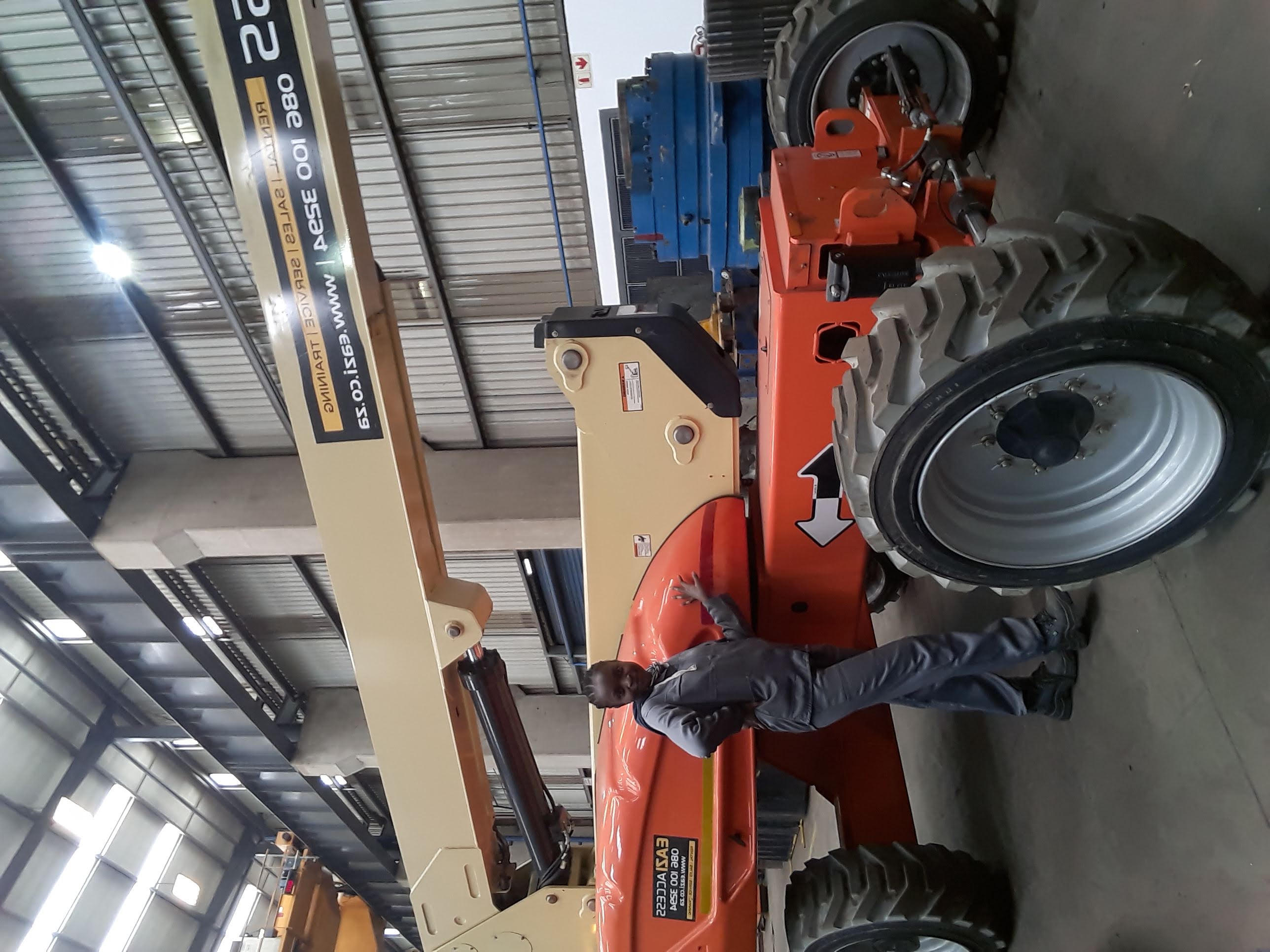
Thyssenkrupp
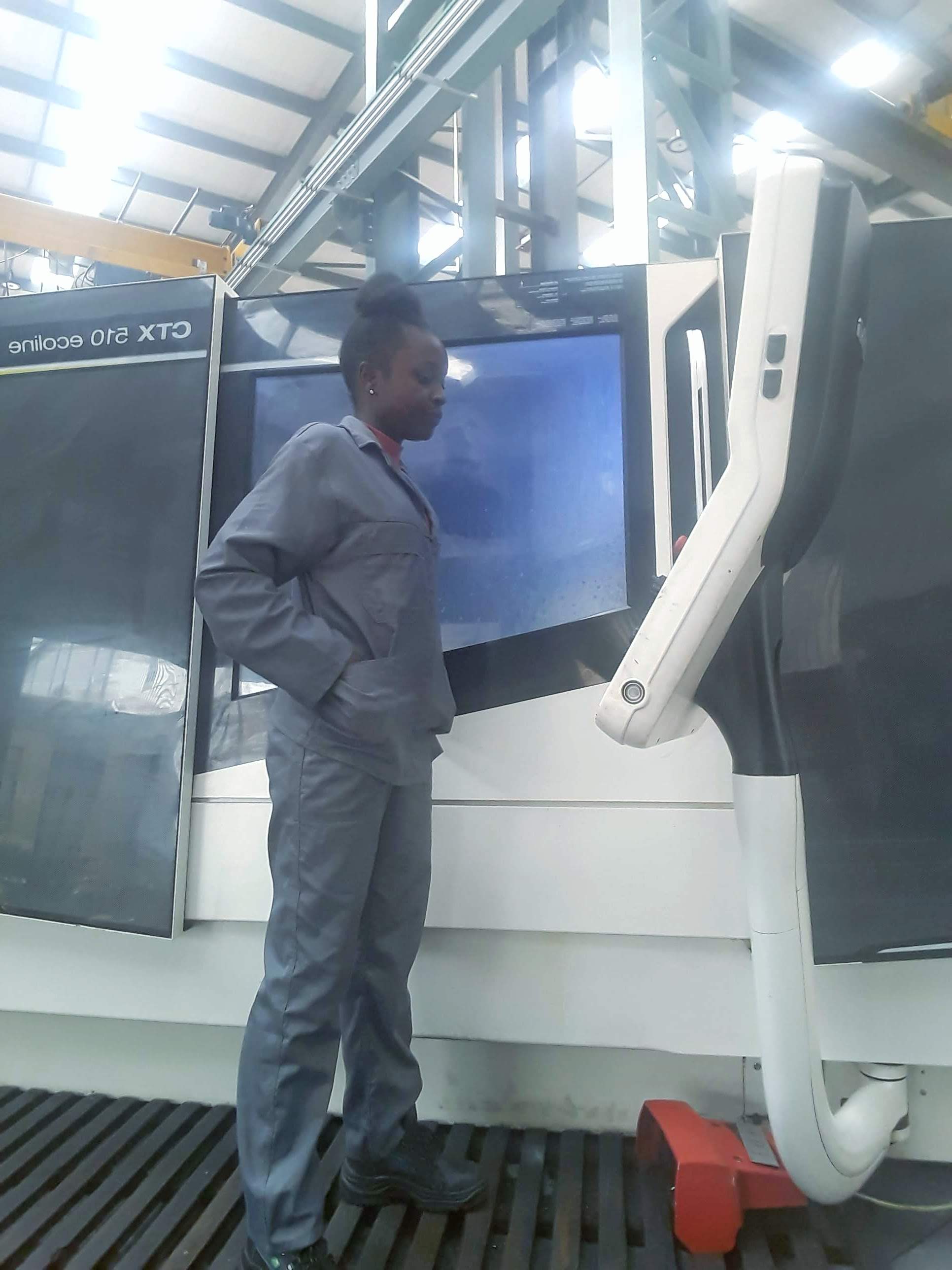
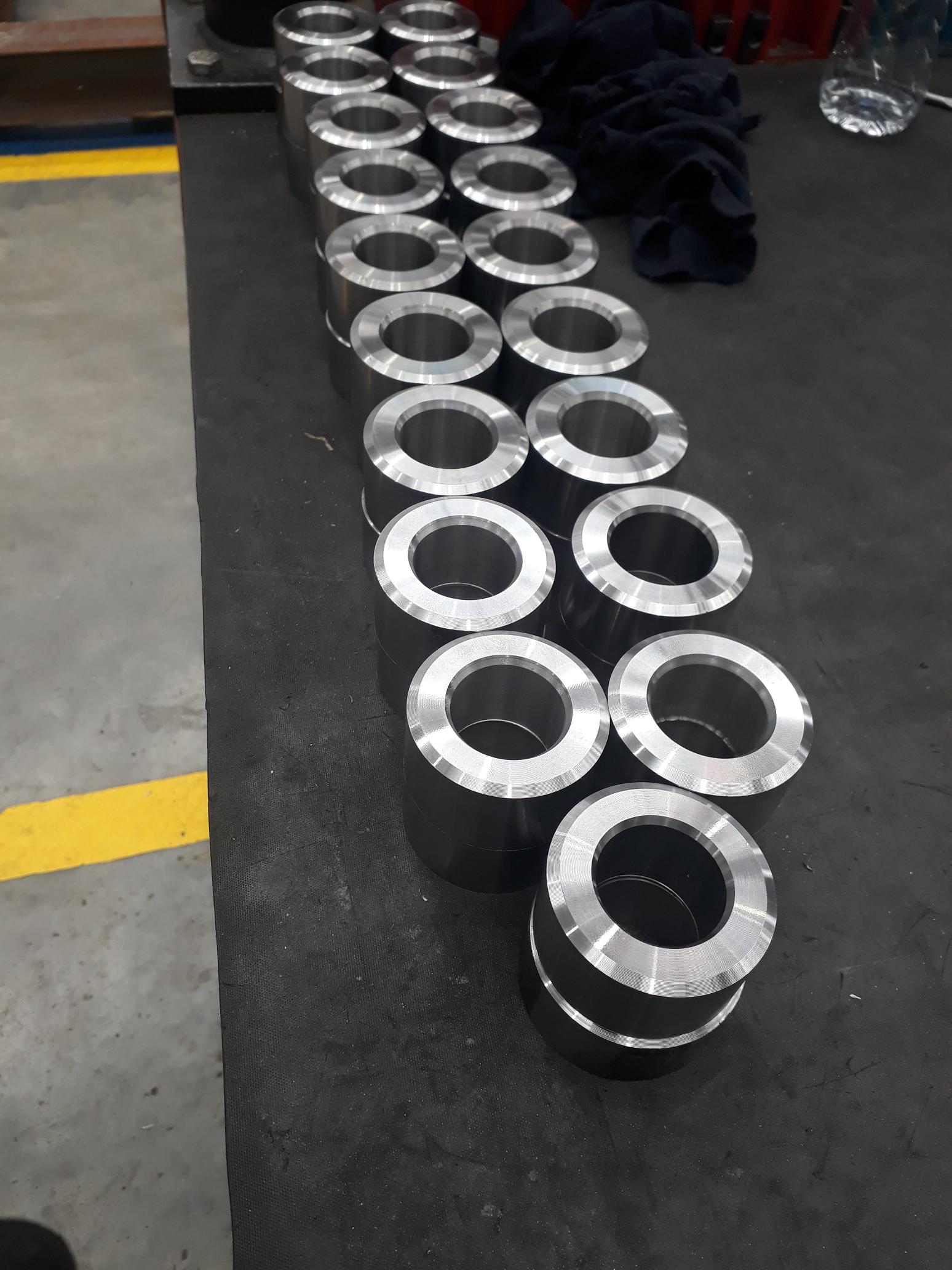
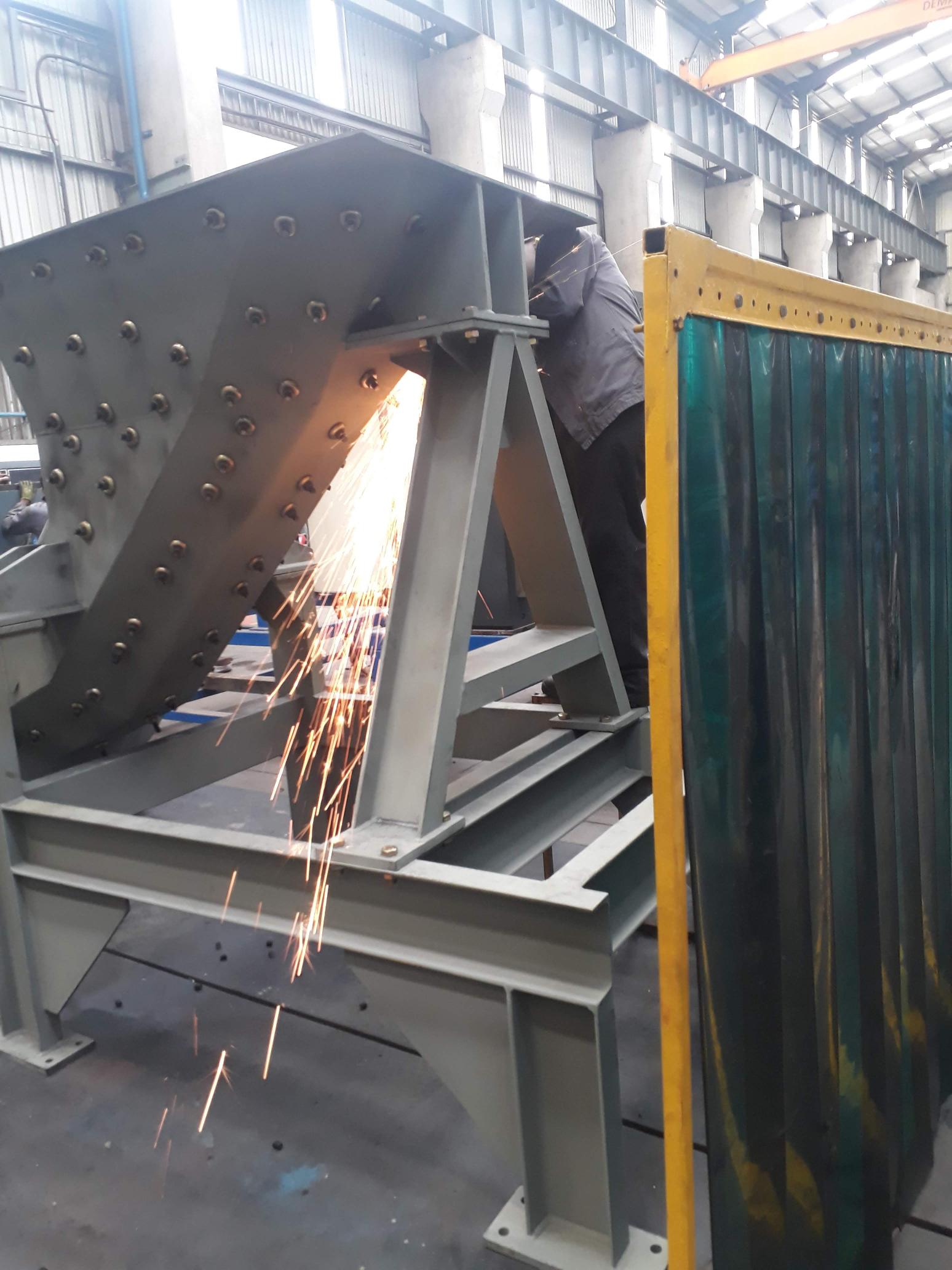
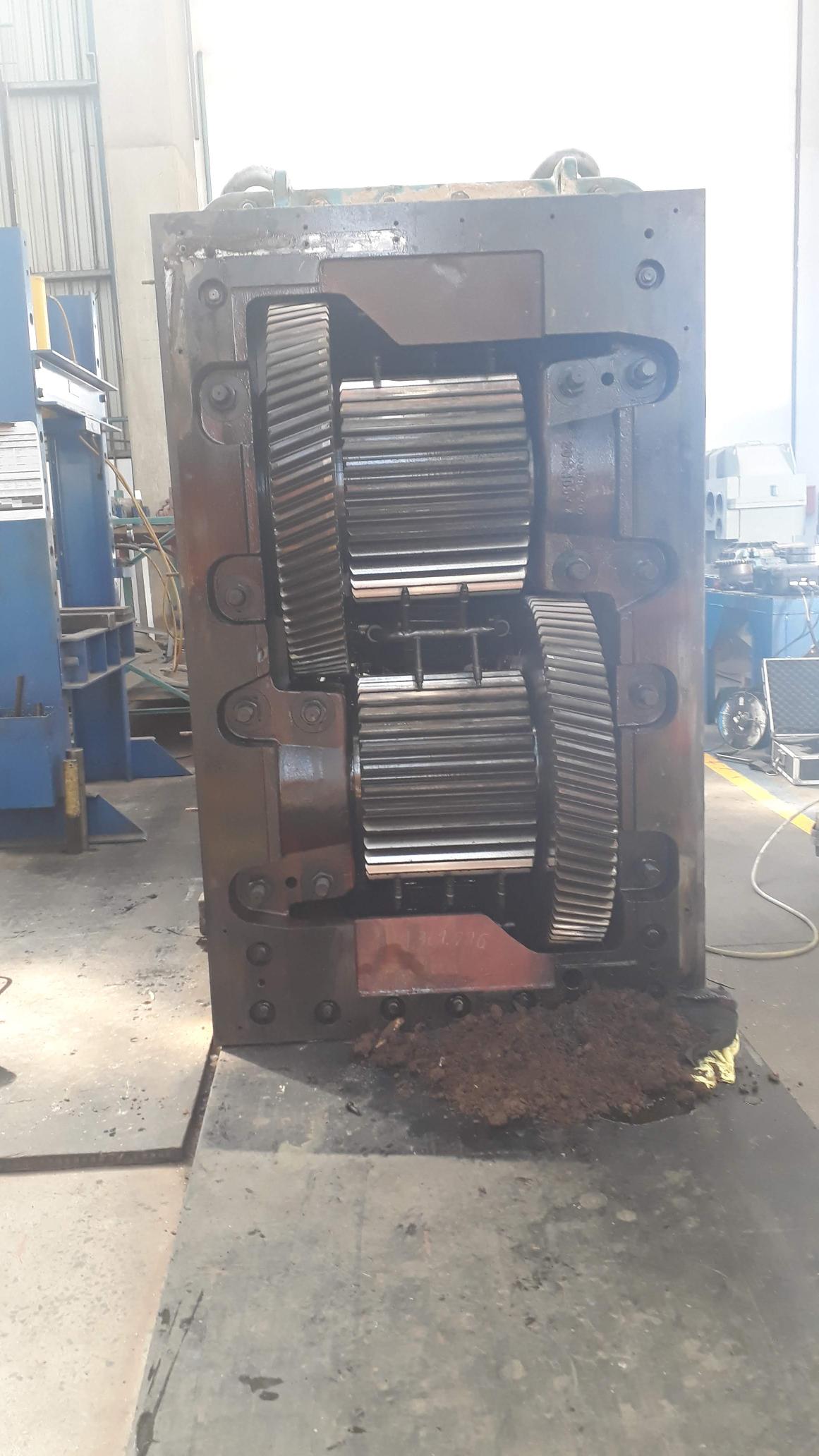
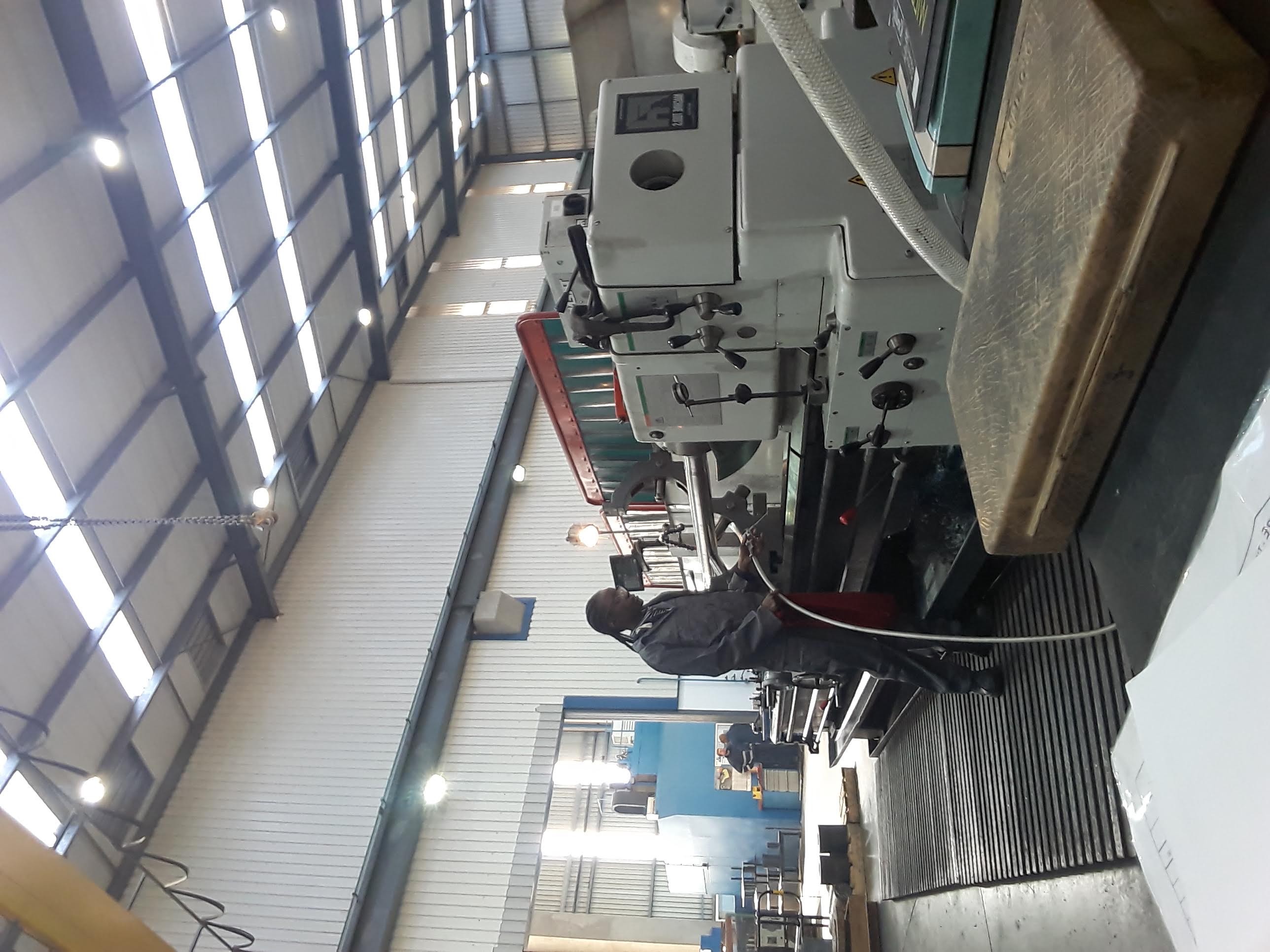
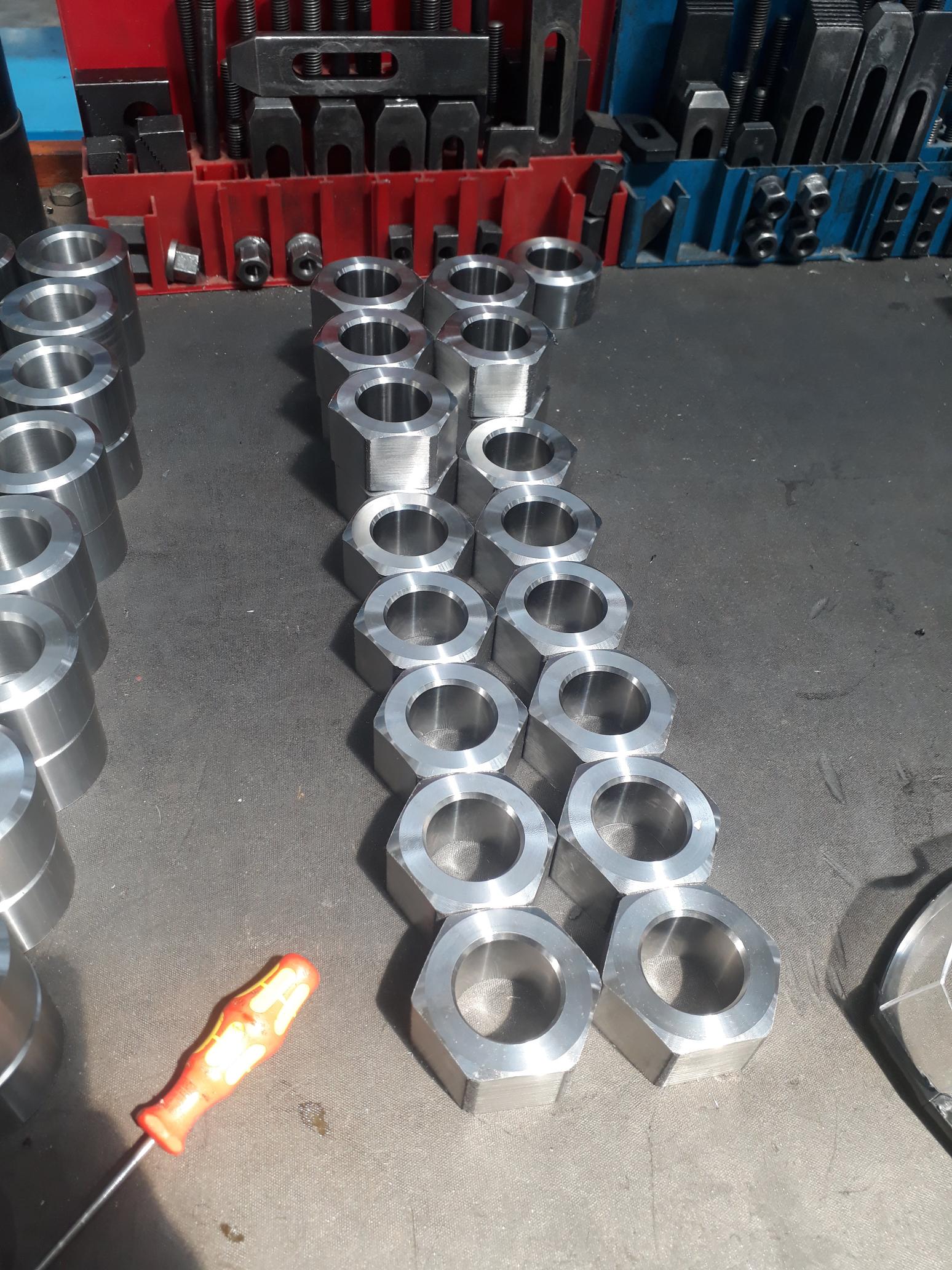
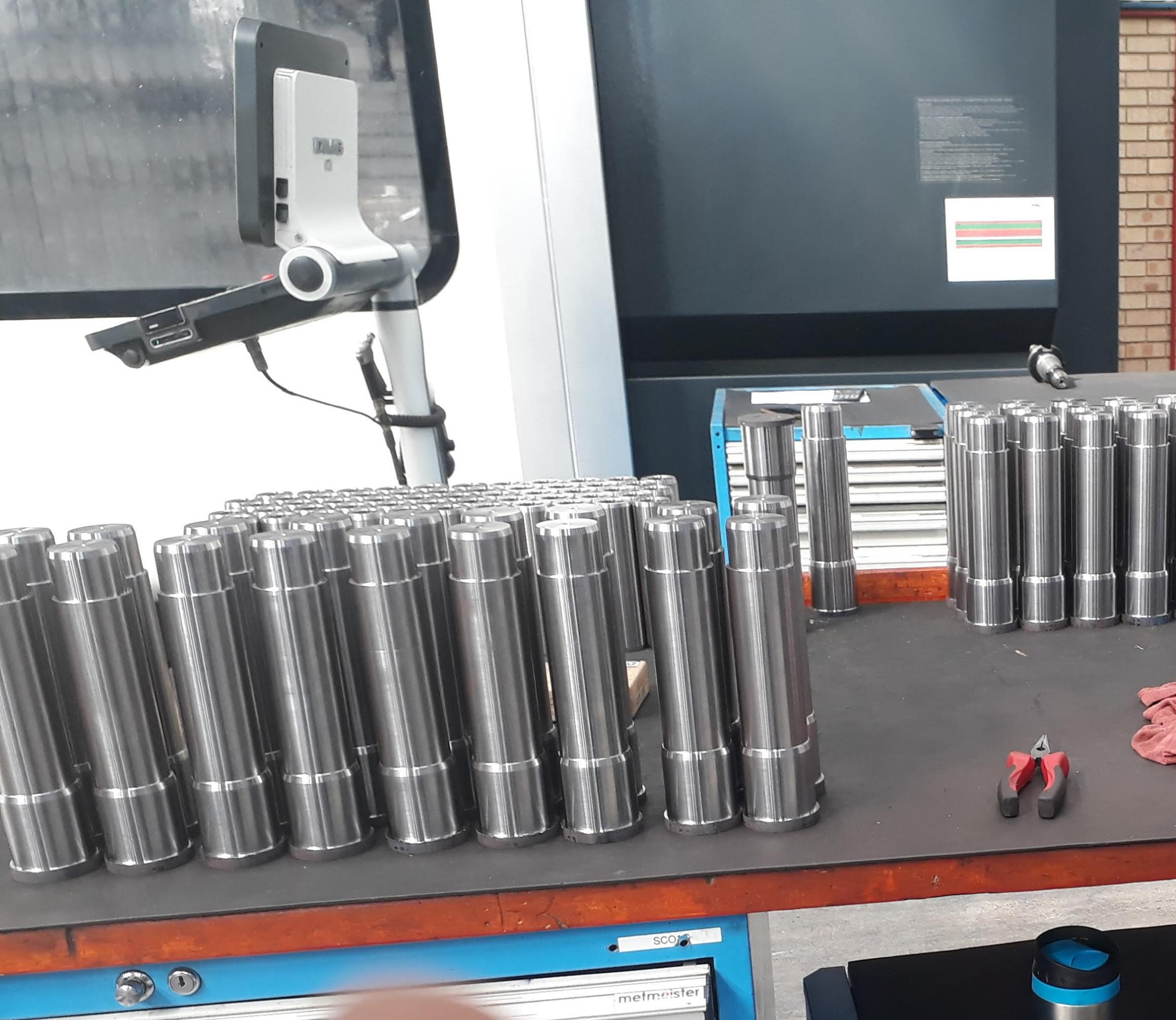
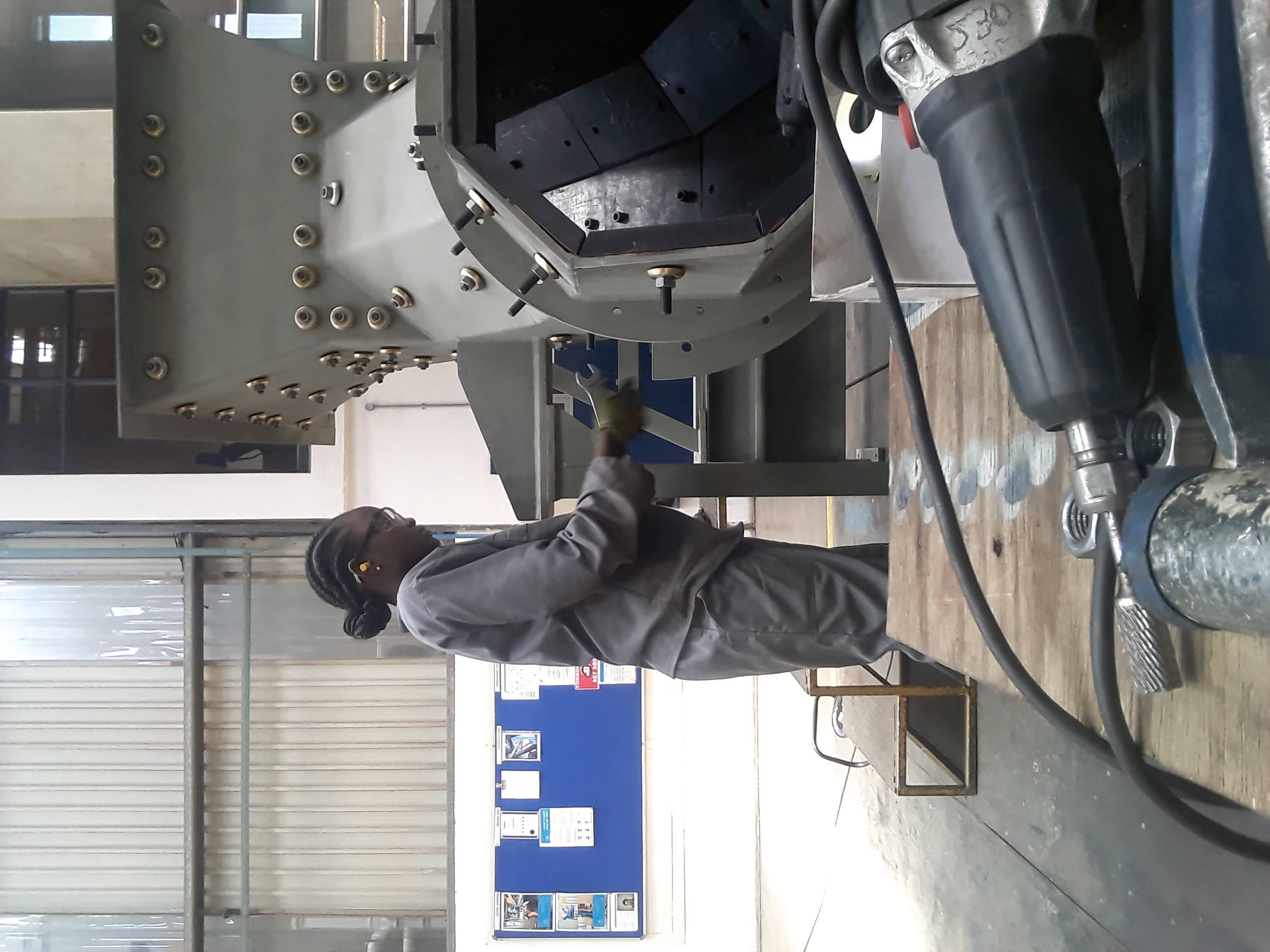
At Thyssenkrupp, I worked with skilled artisans who were making high-pressure grinding machines, maintaining the machines’ gearboxes, and manufacturing shafts and other components, such as bolts and nuts, using complex, high-grade machines like 3-axis CNC machines.
Volkswagen SA
I was privileged to be sponsored by VWSA and I was welcomed to an Internship position as a Design Engineer.
Before production, car seats and their airbags are tested at different temperatures—i.e., -35°C, room temperature, and 85°C. This is to ensure that the airbag is not triggered due to temperature changes. A climatic chamber is used to heat or cool the seats for at least 12 hours.
When the airbag is tested at -35 °C, icicles can develop on the airbag’s trigger point. This can result in delayed airbag deployment during testing. In this case, the technician uses a heat gun to remove the icicles.
Since the company wanted to buy a new climatic chamber, using a heat gun was no longer feasible. So a new autonomous design to heat the trigger was needed. That’s where I came in.
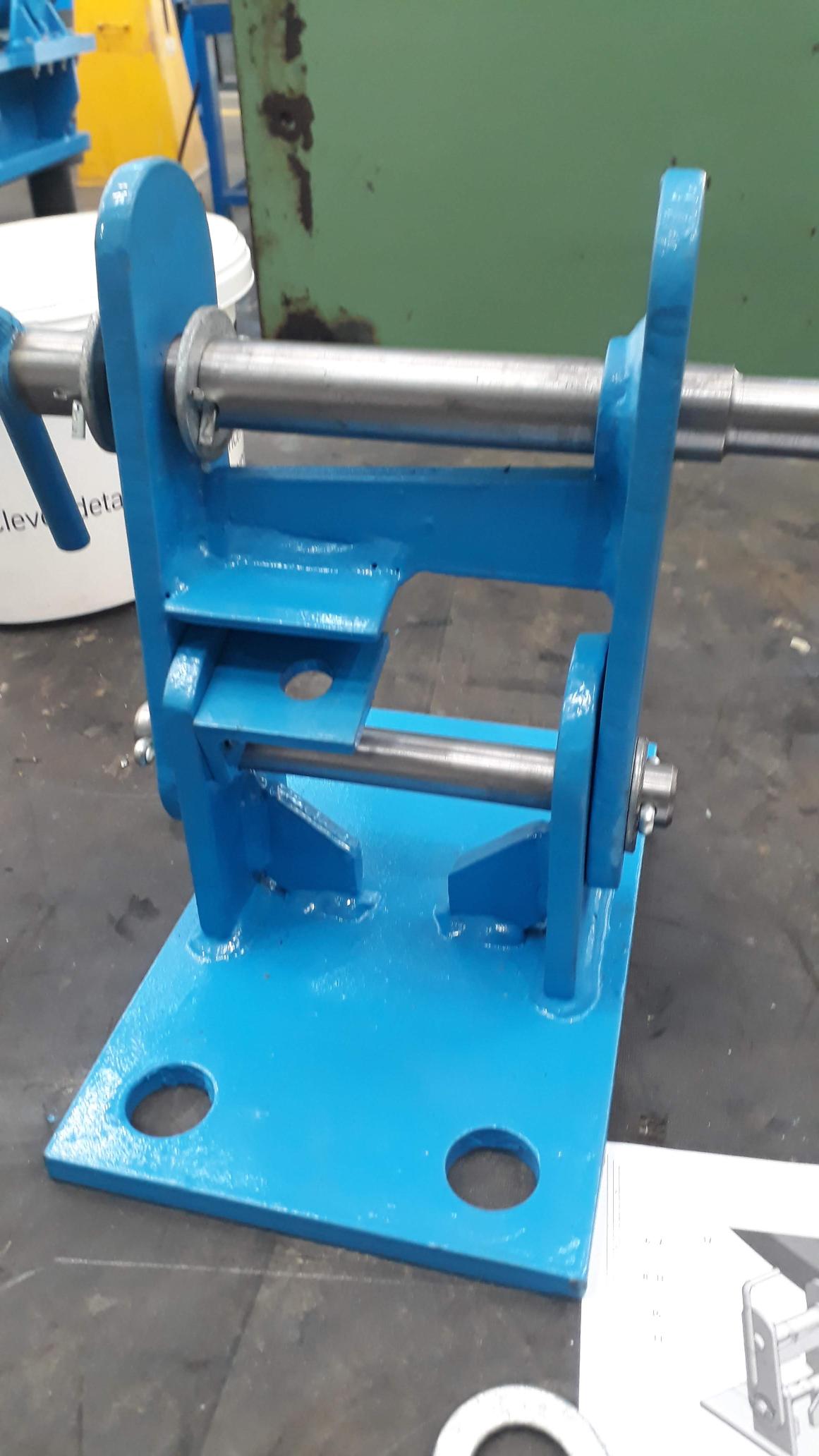
I developed a design that incorporates a heating element and a spring to control the location of the heating element before and after it connects with the trigger point. The final design was an automatic heating device that could heat up within 60 seconds, allowing the company to test airbags within their climatic chamber in their desired timeframe.

I aspire to be working with different companies and teams that value clear thinking, engineering discipline, and data-driven results. I want to contribute to projects that make a real impact, learn from experienced peers, and bring together my engineering background and data skills. I am open to new industries, new challenges, and environments where I can keep learning and deliver measurable outcomes.